

Visa Refused? Regain Control Fast by Matching Pathway, Deadline, and Evidence from Day One
A visa refusal can feel like your options just vanished overnight. The truth is, the right appeal pathway, deadline, and evidence matched to your refusal reason can keep your case alive from day one. With insider insight from a former Department of Home Affairs case officer, you’ll learn the exact steps to protect your appeal and move forward with confidence. Read on to see how to regain control quickly after an Australian visa refusal. For more information, visit this link.
Understanding Visa Refusal
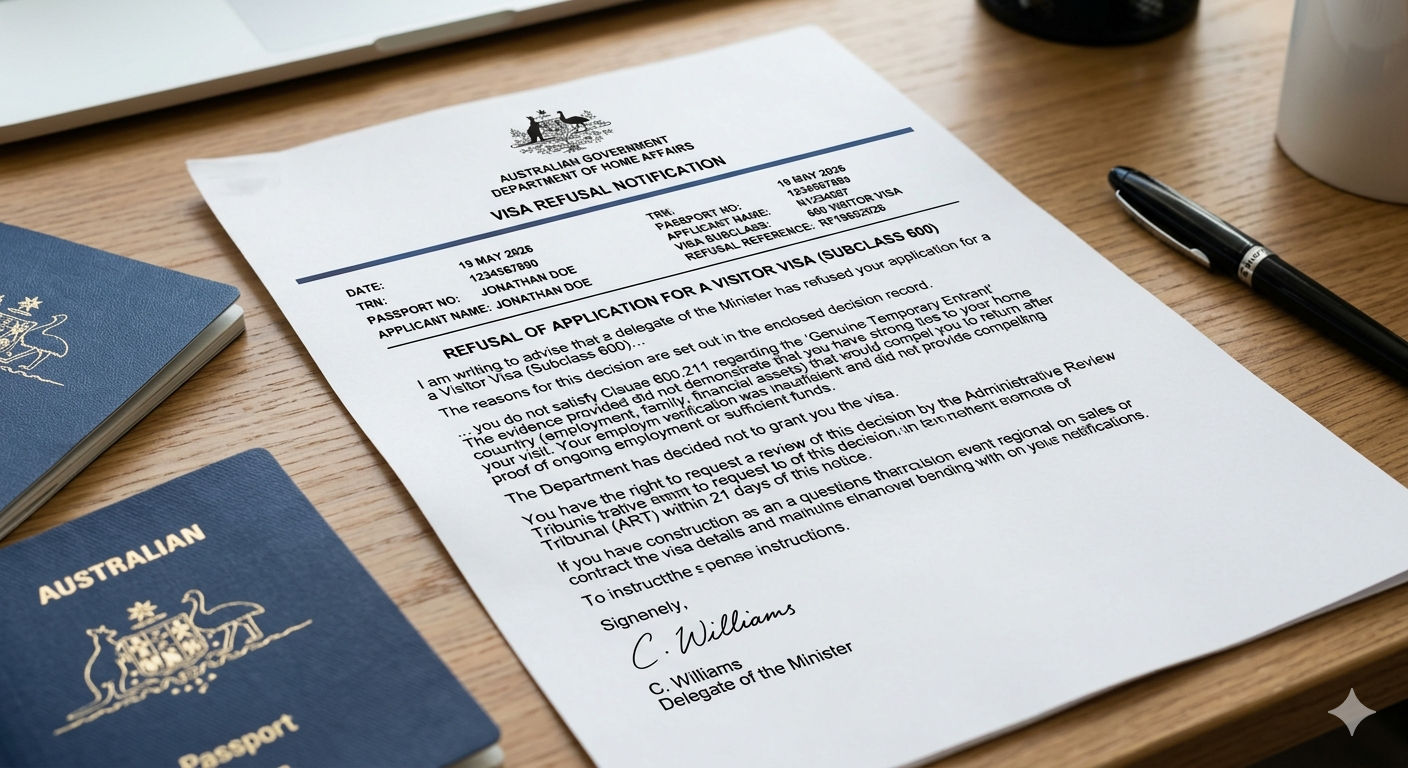
When you receive a visa refusal, the initial shock can be overwhelming. It’s vital to arm yourself with knowledge to navigate this setback effectively. Understanding what visa refusal truly means sets the stage for your next move.
First Steps After Refusal
The initial action is crucial. Don’t panic: take a deep breath and read your refusal letter thoroughly. This letter holds key information, such as the reasons for refusal and potential options for appeal. It’s important to grasp these details to plan your next steps.
Start by listing the points mentioned in the refusal letter. This will help you identify the areas where your application might have fallen short. Remember, many people misinterpret these letters, leading to unnecessary worry. If you find it confusing, consider seeking professional advice to clarify your doubts.
Common Misunderstandings and Pitfalls
Understanding refusal letters can be tricky. Most people think a refusal is the end of the road, but many options are still available. A common mistake is not responding in time. Each type of visa has a specific appeal deadline, and missing this can narrow your chances of success significantly.
Another pitfall is misunderstanding the reasons behind the refusal. Often, applicants focus on irrelevant details rather than addressing the core issues highlighted by the immigration department. Don’t let assumptions mislead you; clarity is crucial to move forward effectively.
Mapping Your Appeal Pathway
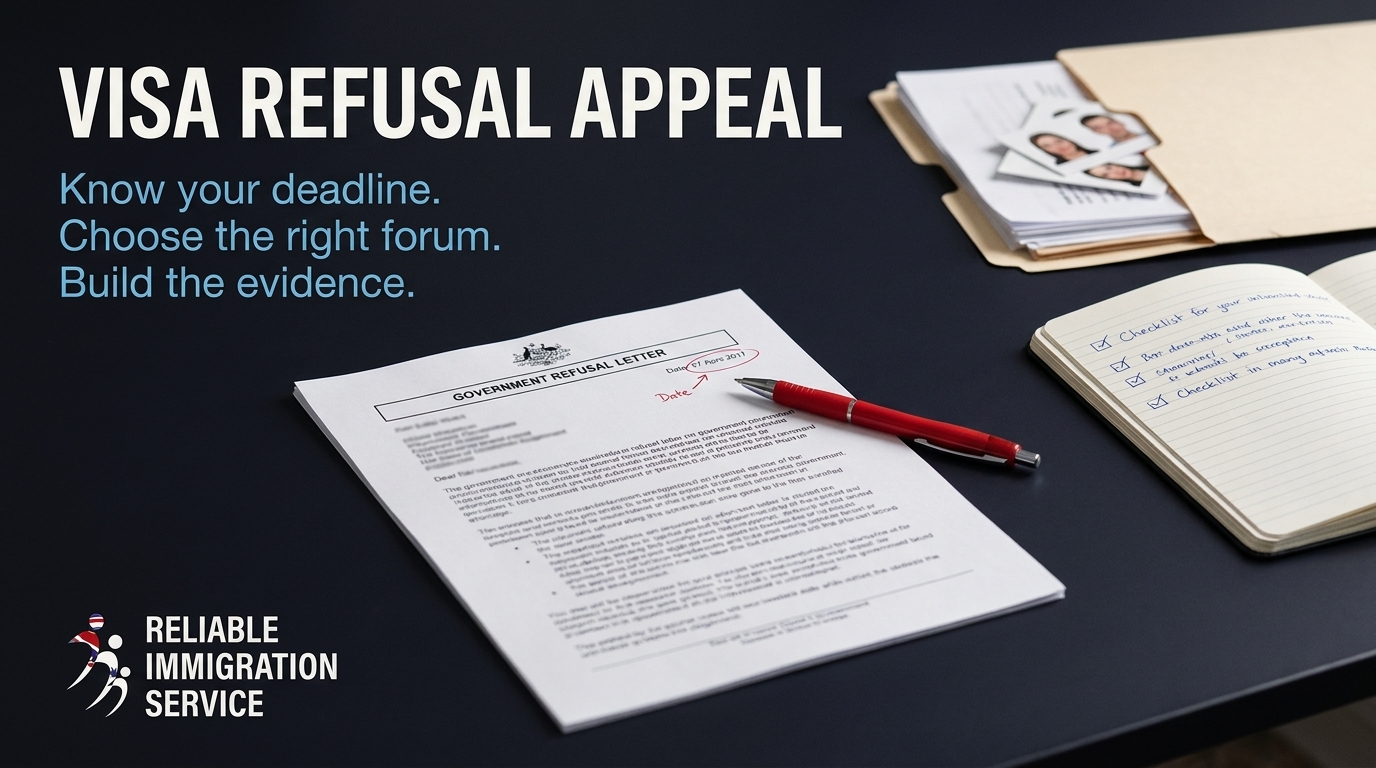
Once you’ve grasped the reasons behind the refusal, it’s time to map your appeal pathway. Knowing your options and how to proceed can make a significant difference in the outcome.
Choosing the Right Forum
Choosing where to lodge your appeal is pivotal. Not all forums are the same, and choosing the incorrect one can lead to unnecessary delays. For many, the Administrative Appeals Tribunal (AAT) will be the place to start. However, it’s important to identify if this applies to your specific situation.
Research each forum’s requirements and processes. Some cases might be better suited for a judicial review, which involves a different approach. Understanding these distinctions helps you target your efforts effectively, ensuring your appeal is heard by the right authorities.
Confirming Your Appeal Deadline
Timing is everything. You must confirm your appeal deadline immediately. The appeal time limit can vary based on visa type and individual circumstances. Missing this window can eliminate your chance to present your case.
Once you know your deadline, create a timeline of necessary tasks leading up to that date. This includes gathering documents, writing submissions, and seeking professional help if needed. Being proactive ensures you’re prepared long before the deadline arrives.
Building a Strong Appeal Case
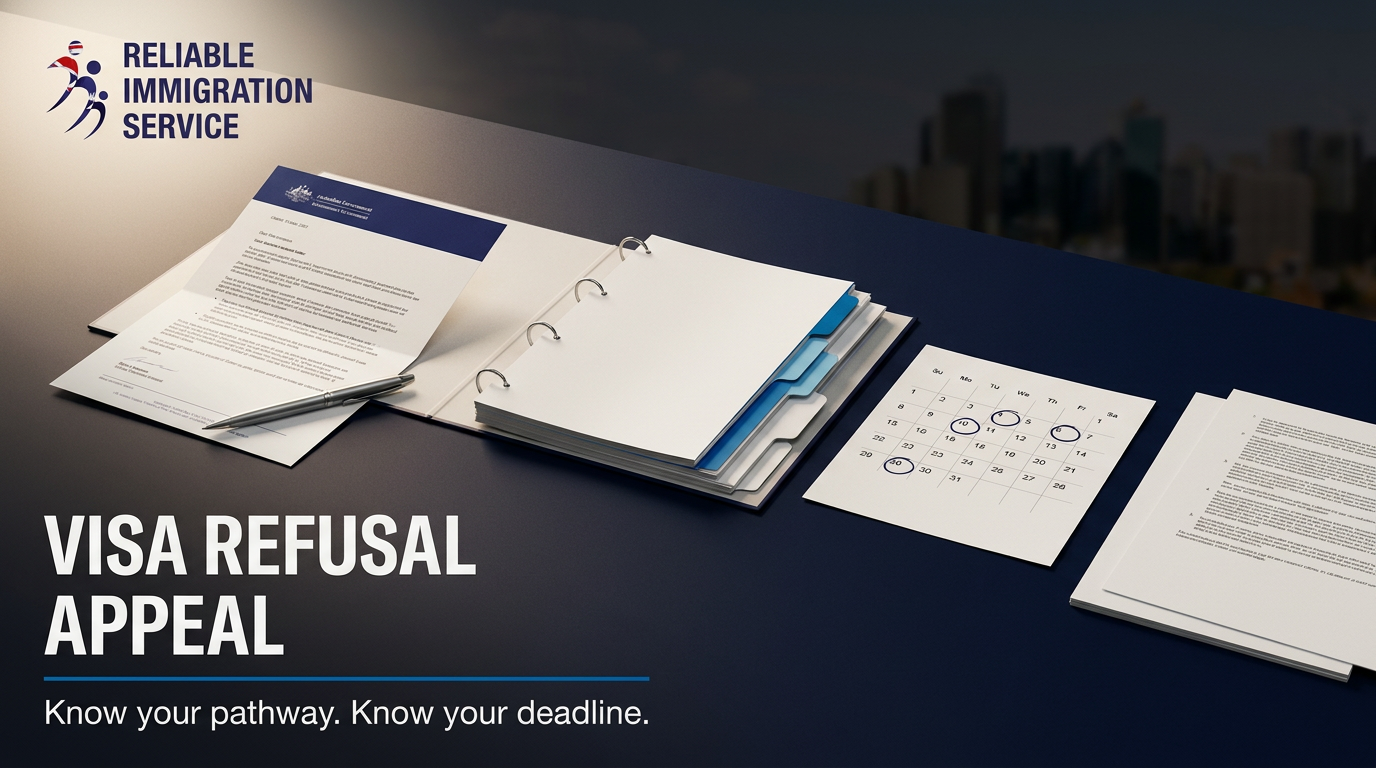
With your pathway clear and deadlines set, focus shifts to building an appeal case that addresses the refusal reasons head-on. A strong case is built on well-aligned evidence and expert guidance.
Aligning Evidence with Refusal Reasons
Evidence is your best ally when appealing. Align your documents precisely with the reasons for refusal outlined in your letter. This means gathering new evidence or clarifying existing documents that directly counter the points raised.
Create a checklist of required documents and cross-reference it with your refusal details. If you had a partner visa refused, ensure financial and relationship evidence is robust and up-to-date. A well-documented case can significantly sway the decision in your favor.
Engaging a Migration Agent with Inside Knowledge
Engaging a migration agent, especially one with insider knowledge, can be invaluable. Someone like Michelle Brewty, who has worked inside the Department of Home Affairs, brings a unique perspective to your case. Her insights can identify potential issues before they become problems, offering a strategic advantage.
An agent will guide you through the nuances of the appeal, ensuring every detail is meticulously addressed. This professional support can transform your appeal experience, boosting your confidence and chances of success.
In conclusion, facing a visa refusal is challenging, but with the right strategy, you can regain control and move forward with confidence. By understanding your refusal letter, choosing the correct forum, confirming deadlines, aligning evidence, and engaging expert help, you’ll be well-prepared to tackle your appeal head-on.