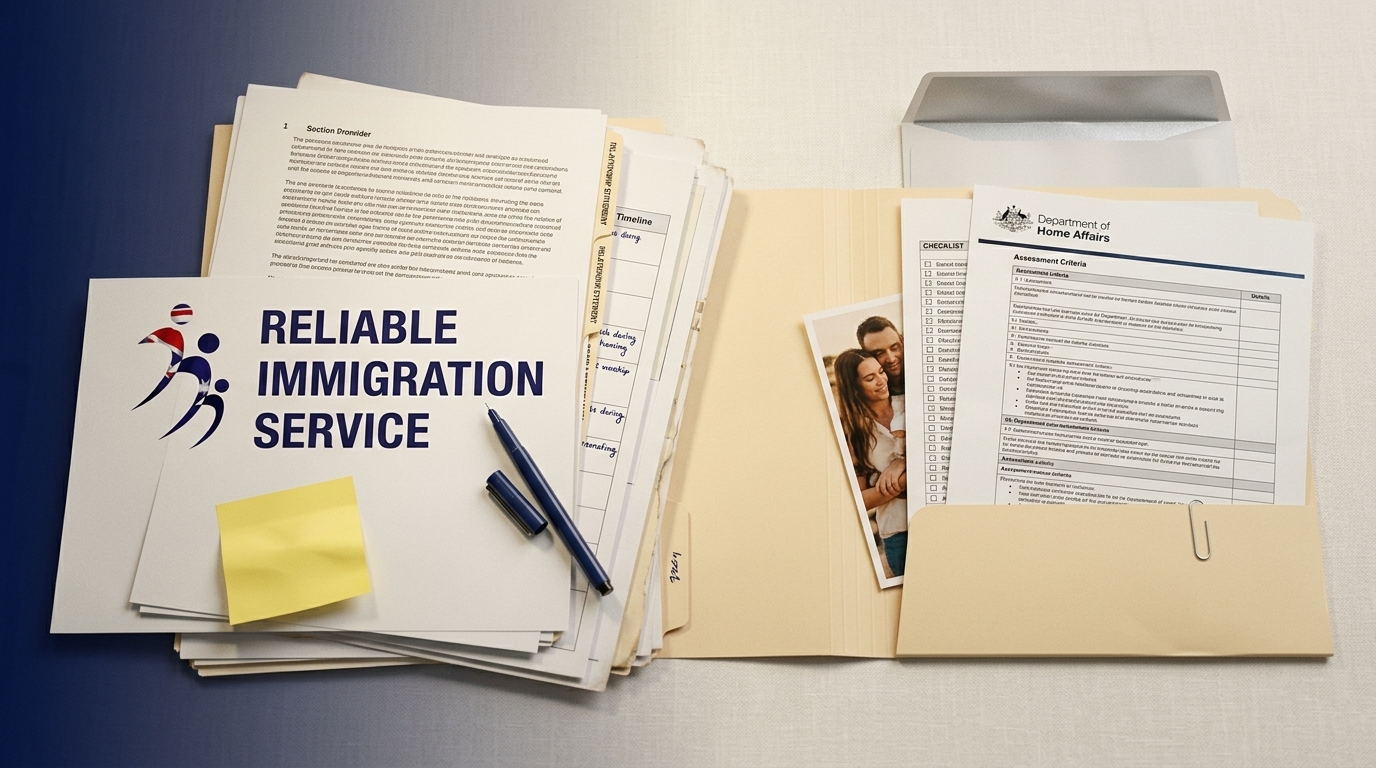
Many partner visa applicants feel overwhelmed when trying to prove their genuine relationship while meeting strict Australian partner visa rules. This stage becomes personal and confusing, especially when evidence doesn’t line up or timelines slip. Drawing from years as a former Home Affairs officer, I’ll show you where applications often lose clarity and how to build a stronger, more consistent case that reduces avoidable delays or refusal. Let’s walk through the partner visa sponsorship process step by step, so you can approach it with confidence.
Understanding Partner Visa Sponsorship
Navigating the partner visa sponsorship process can seem daunting. Let’s break it down and focus on the key elements you need.
Genuine Relationship Evidence
Proving your relationship is real is crucial. It involves more than just photos. You need to share your story: how you met, significant milestones, and future plans. Include letters, emails, and joint financial accounts. Remember, it’s about showing your life together. Partner visa sponsorship hinges on genuine relationship evidence, so ensure your documents fit this narrative.
Consider how you can paint a clear picture. For instance, 80% of successful applications include detailed timelines. Make sure your timeline is consistent across all documents.
Sponsor Obligations and Timelines
Sponsors play a vital role. They must meet specific obligations and adhere to timelines. It’s not just about financial support; it’s about understanding how their role impacts the application. Sponsors must also ensure that all deadlines are met to avoid delays.
The sponsorship application and documents should be completed thoroughly. Missing this step can severely impact your application. Familiarize yourself with these requirements to stay ahead.
Common Mistakes to Avoid
Mistakes can slow down your process or lead to refusals. Common pitfalls include inconsistent timelines, missing documents, and incomplete forms. Double-check everything before submission. Even something as small as a missing signature can cause issues.
Most people overlook the importance of statutory declarations. These provide context and clarity. Always include them with your application. Building a Strong Application
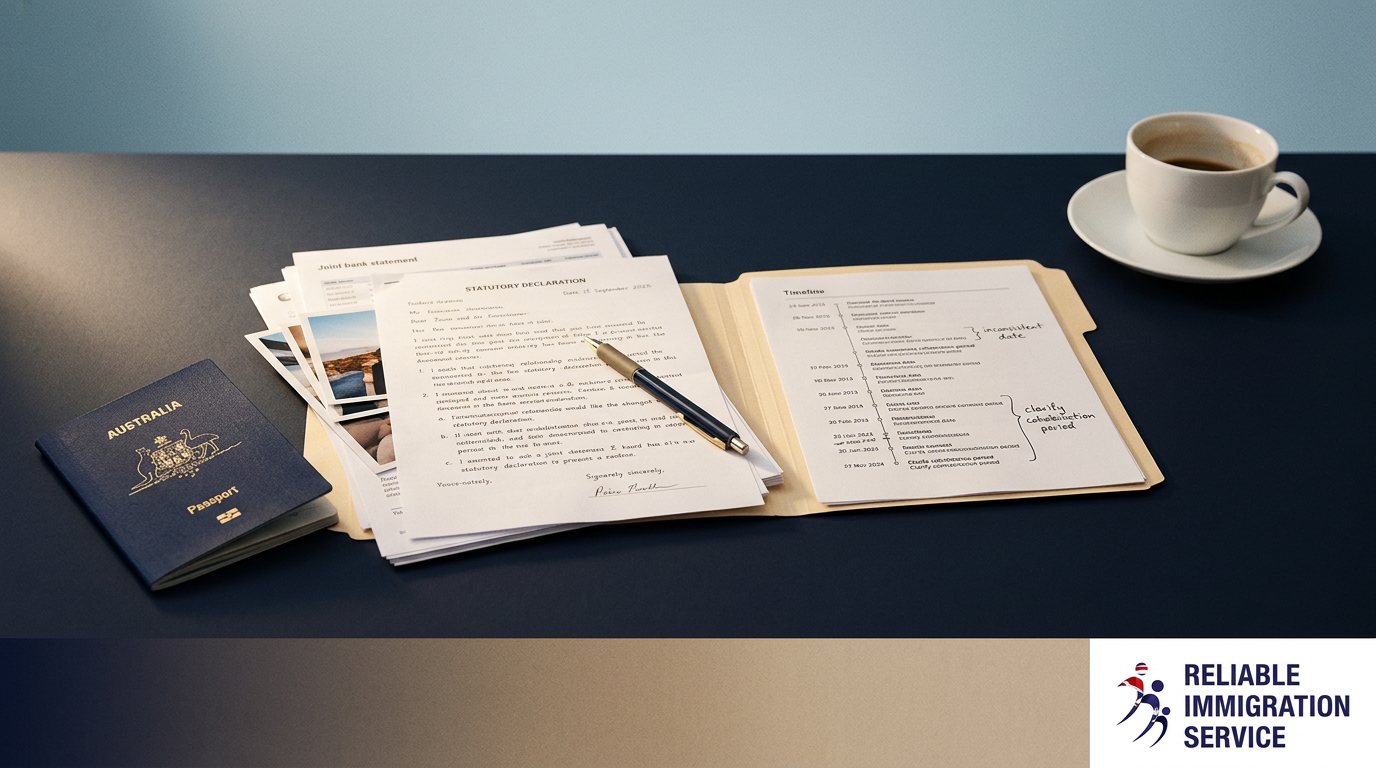
With the basics covered, let’s focus on building a robust application. Here’s how to ensure every part of your application works together seamlessly.
Partner Visa Evidence Checklist
A checklist can be your best friend. List every document needed, from birth certificates to joint financial records. Keep track and ensure nothing is left out. This step helps you manage what can feel like a mountain of paperwork.
Using a checklist ensures that no document is forgotten, reducing the risk of delays. Maintain a copy of each document and note when it was submitted. This way, you’re always prepared for any follow-up requests from the Department of Home Affairs.
Aligning Relationship Statements
Your statements should align with your partner’s. This means discussing your relationship and ensuring both accounts tell the same story. Consistency is key. Discrepancies can raise red flags for case officers.
Focus on major events and shared goals. These elements highlight the depth of your relationship. Use specific dates and anecdotes to make your story vivid. Remember, alignment and authenticity go hand-in-hand here.
Proof of Cohabitation and Financial Evidence
Living together is a major factor. Provide proof of shared living arrangements: rental agreements, utility bills, or shared leases. Financial evidence like joint bank accounts also strengthens your case.
These documents show the intertwining of your lives. Make sure they are up-to-date and accurately reflect your situation.
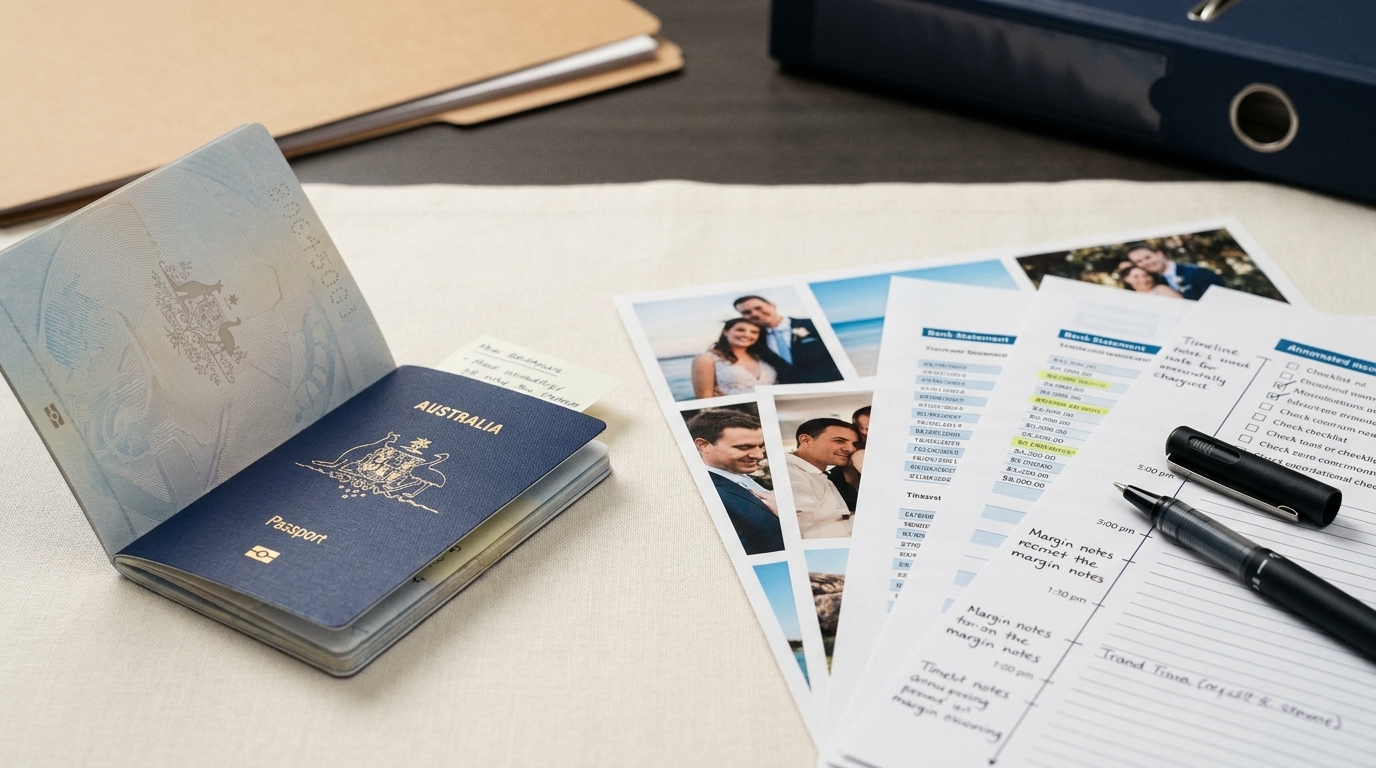
With your application in hand, let’s delve into insights that can make a difference. Lean on expert advice to navigate this journey smoothly.
Case Officer Insights for Success
Having insights from a former case officer can be invaluable. They know what stands out in an application and what raises questions. Understanding the perspective of the Department of Home Affairs can guide your preparation.
Most people think it’s just about fulfilling requirements, but it’s also about how you present your story. Clarity and coherence are crucial. Partner visa sponsorship is often where applications can become muddled, so streamline your case with precision.
Avoid Partner Visa Refusal
Refusal can be disheartening, but many are avoidable with the right approach. Keep all evidence consistent and ensure timelines align. Double-check all documents before submission.
Refusal often occurs due to simple oversight. Don’t let small errors derail your journey. With proactive steps, you can avoid setbacks. Book Your Free Initial Assessment
While this guide offers a solid foundation, personalized advice can make all the difference. Consider booking a free initial assessment with our Registered migration agent. This step can provide tailored solutions, ensuring your application reflects your unique story.
Assessments offer clarity and direction, minimizing stress. The longer you wait, the more challenging it can become. Take action today and get the support you need to succeed. Let’s turn your application into a success story.