
NVC case status: what it really tells employers during the visa rush
When the NVC case status changes, most employers breathe a sigh of relief—assuming the process is moving smoothly. But that update often hides the real challenges waiting behind the scenes. Understanding what each status truly means can help you spot red flags early and act before corporate visa timelines tighten further. This guide breaks down common NVC statuses into plain English, so you know exactly when to prepare documents, follow up, or push harder—keeping your hiring plan on track during the visa rush. For more insights on processing tips, check this guide.
Understanding NVC Case Status
The NVC case status often confuses employers. Many think it signals guaranteed progress, but that’s rarely the case. Let’s break down these complexities to boost your confidence.
Common Misconceptions
You might assume a status change means things are moving ahead smoothly. However, this isn’t always true. Often, a change may indicate missing documents or other issues. Understanding these nuances is key to effective visa planning.
Most HR managers believe a “Case Complete” status means everything is ready. Yet, it only confirms the NVC has your paperwork. It doesn’t mean the consulate is prepared for your case. It’s crucial to assess what this status truly covers and what it doesn’t.
Another common myth is that no news is good news. In reality, silence often means delays. Waiting without checking can lead to missed deadlines. Always follow up on pending updates to avoid last-minute rushes.
Practical Checkpoints for Employers
Being proactive is vital. Use NVC statuses as checkpoints to manage your visa process effectively. This way, you can act early, reducing risks associated with tight timelines.
First, ensure all documents are complete and double-check for errors. Missing paperwork can lead to significant delays. Use an immigration checklist for HR to keep track of what’s submitted and what’s pending.
Second, maintain regular contact with your immigration consultant. They can provide updates on any changes or required actions. This helps you stay one step ahead in managing visa applications.
Finally, have a contingency plan. Prepare alternative hiring strategies to counter any potential setbacks. This ensures business continuity, even if visa processes face unexpected delays.
Key NVC Statuses Explained
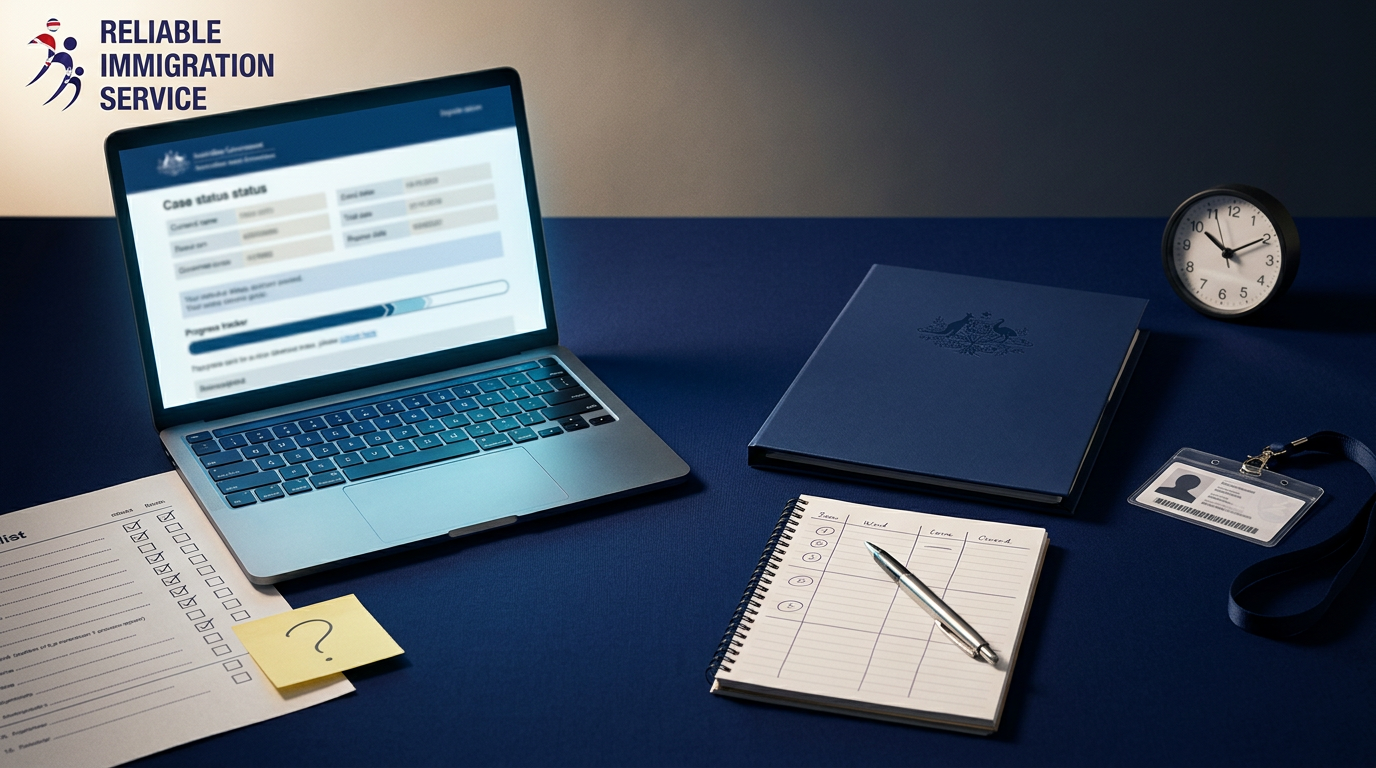
NVC statuses can be your best friend or worst enemy. Knowing their implications helps you navigate the process with ease.
Case Complete NVC: What It Means
When you see “Case Complete,” it feels like a milestone reached. But there’s more beneath the surface. This status means the NVC has all required documents and fees. Yet, it doesn’t guarantee an interview date.
After reaching “Case Complete,” it’s time to prepare for further steps. Review your documents again. Make sure everything is accurate and current. Missing details can stall progress at the consulate stage.
It’s also essential to communicate with your consulate. Confirm they have your case and schedule the interview promptly. The longer you wait, the higher the risk of delays, especially during peak periods.
Interview Scheduled NVC: Next Steps
The “Interview Scheduled” status is a relief, but not the end. It signals readiness for the consulate interview. Yet, preparation is key to avoid any last-minute hiccups.
Start by ensuring all beneficiaries are aware of the interview date. Coordinate their availability to prevent rescheduling. Rescheduling can lead to weeks or even months of delay.
Next, focus on gathering the necessary documents for the interview. Common requirements include police certificates, medical exams, and sponsor documents. Have these ready well in advance to avoid last-minute scrambles.
Finally, use this time to prepare your team. Inform them about potential timelines and any adjustments needed for extending offers or start dates. This keeps your hiring plan on track, even during visa rush times.
Navigating Visa Rush Challenges
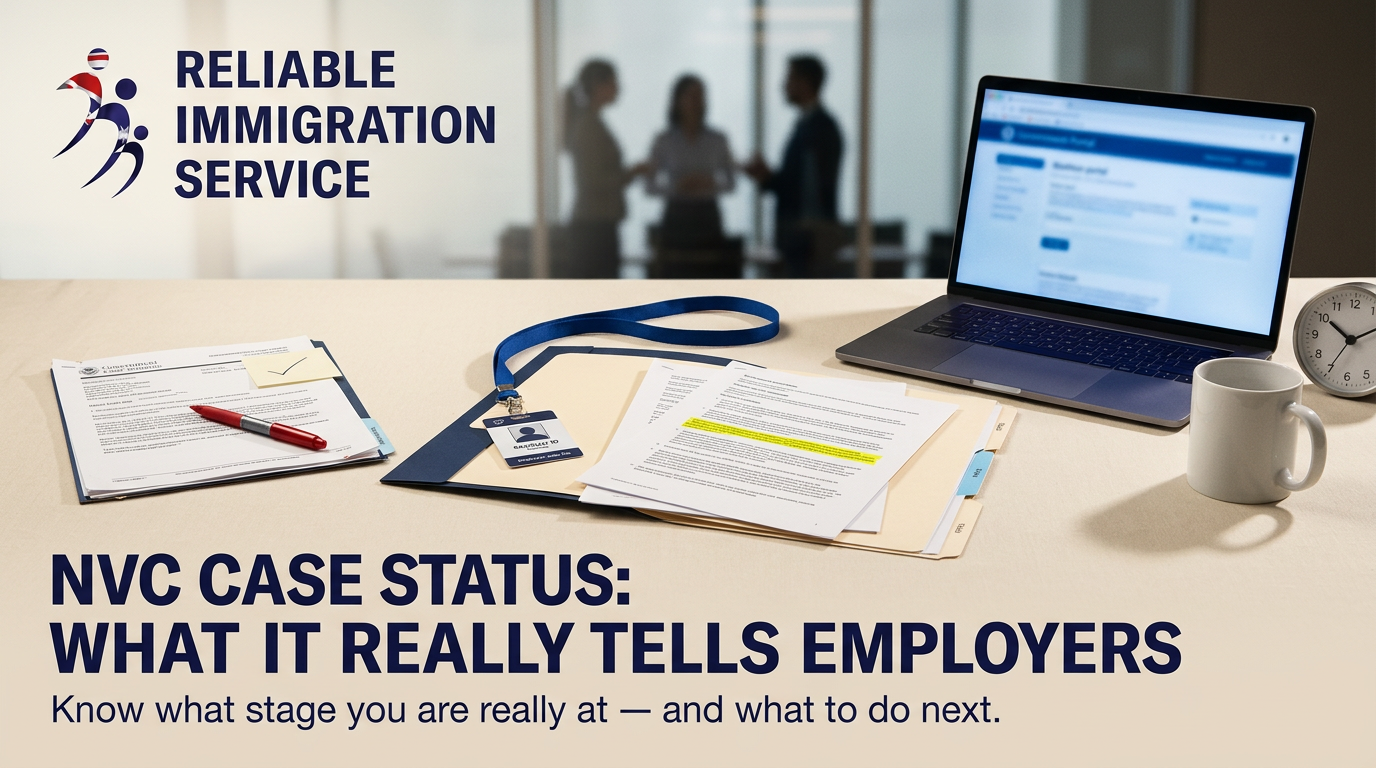
Visa rush periods bring unique challenges. Delays and unexpected changes can disrupt even the best-laid plans.
Addressing Consular Processing Delays
Delays at the consulate are a common hurdle. They can feel beyond your control, but there are steps you can take to mitigate their impact.
First, stay informed about average processing times at your target consulate. This helps set realistic expectations and allows for better planning. Use tools and resources like USCIS expedite requests to understand potential avenues for speeding up the process.
Second, always have a communication plan. Regular updates with your immigration consultant can reveal potential bottlenecks early. Addressing these promptly can save weeks of waiting.
Lastly, consider a plan B. In cases of prolonged delays, explore alternative hiring options. This ensures your operations remain unaffected, even if visa processes lag.
Proactive HR Immigration Planning
Effective HR planning can help you stay ahead of the curve. It requires a strategic approach to managing visa processes during peak times.
Start by forecasting your hiring needs in advance. Anticipate when you might face a visa rush and plan accordingly. This foresight allows you to submit applications well before deadlines loom.
Implement an immigration checklist for HR. This tool helps track each case, ensuring no step is overlooked. It also provides a quick reference for any pending actions, minimizing the risk of errors.
Finally, engage with a trusted immigration partner. Their expertise can guide you through complex situations, ensuring your visa processes run smoothly. Their insights can help you avoid pitfalls and achieve your hiring goals efficiently.
By understanding NVC case statuses and planning proactively, you can navigate visa challenges with confidence. For tailored guidance, consider reaching out to Reliable Immigration Service for a comprehensive assessment and expert support.